
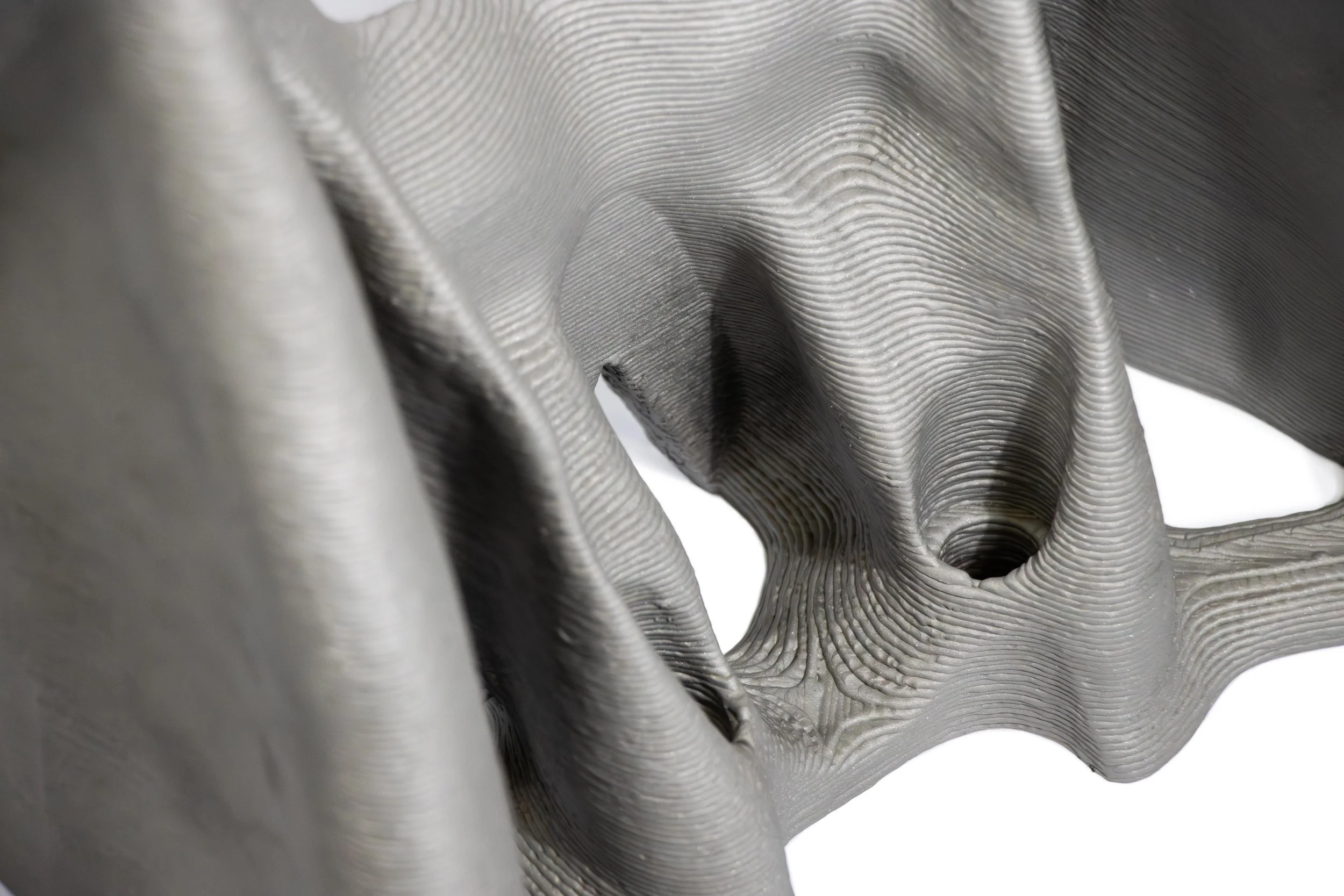
Metal AM Technologies and Applications
Practical guide to WAAM, LPBF and WLAM:
What each process does well, and where it fits in production.
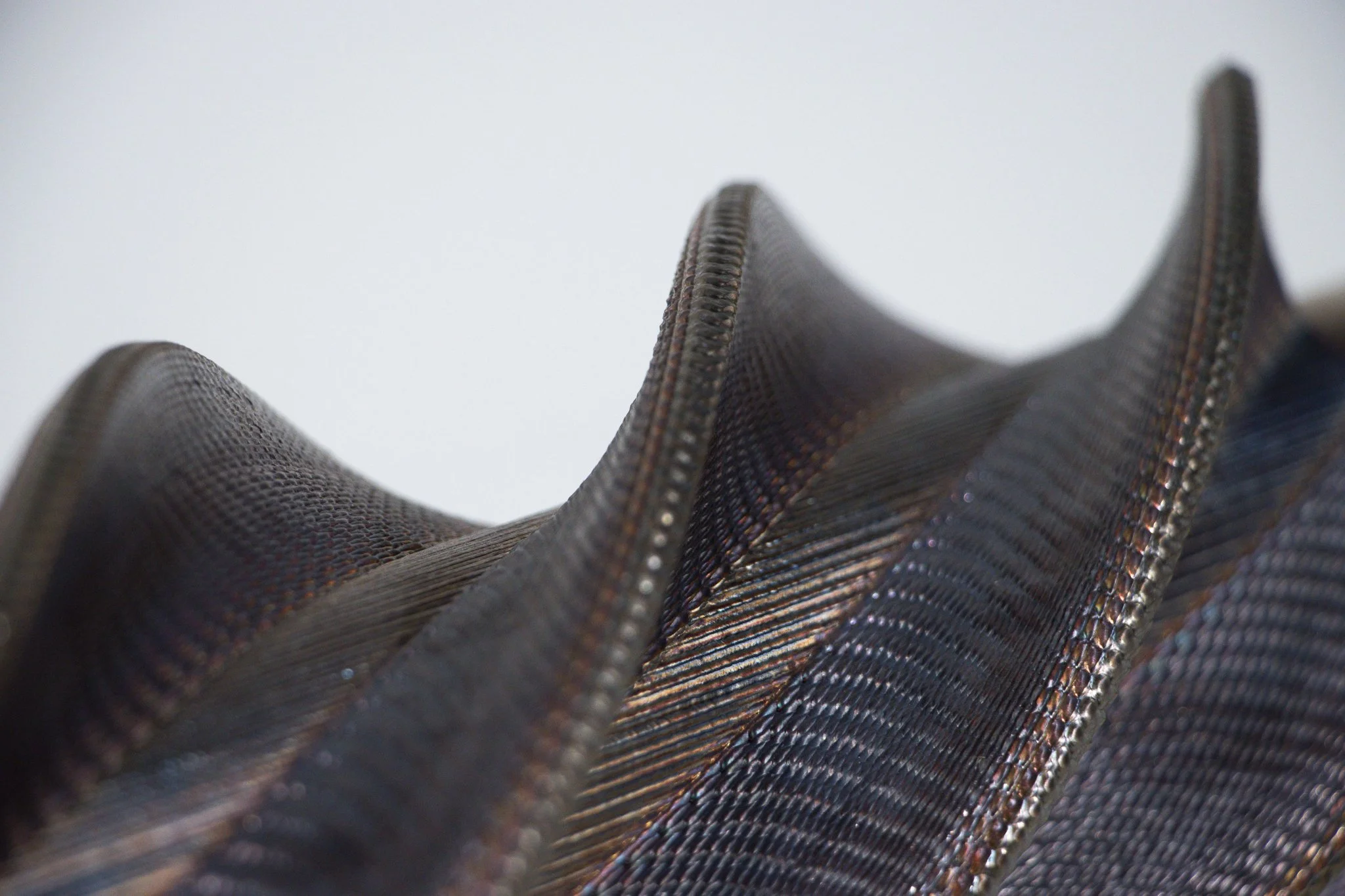
There is no single metal 3D printing process. Build size, detail, feedstock, material cost, surface finish and qualification requirements all matter. We help compare the options before recommending a path.
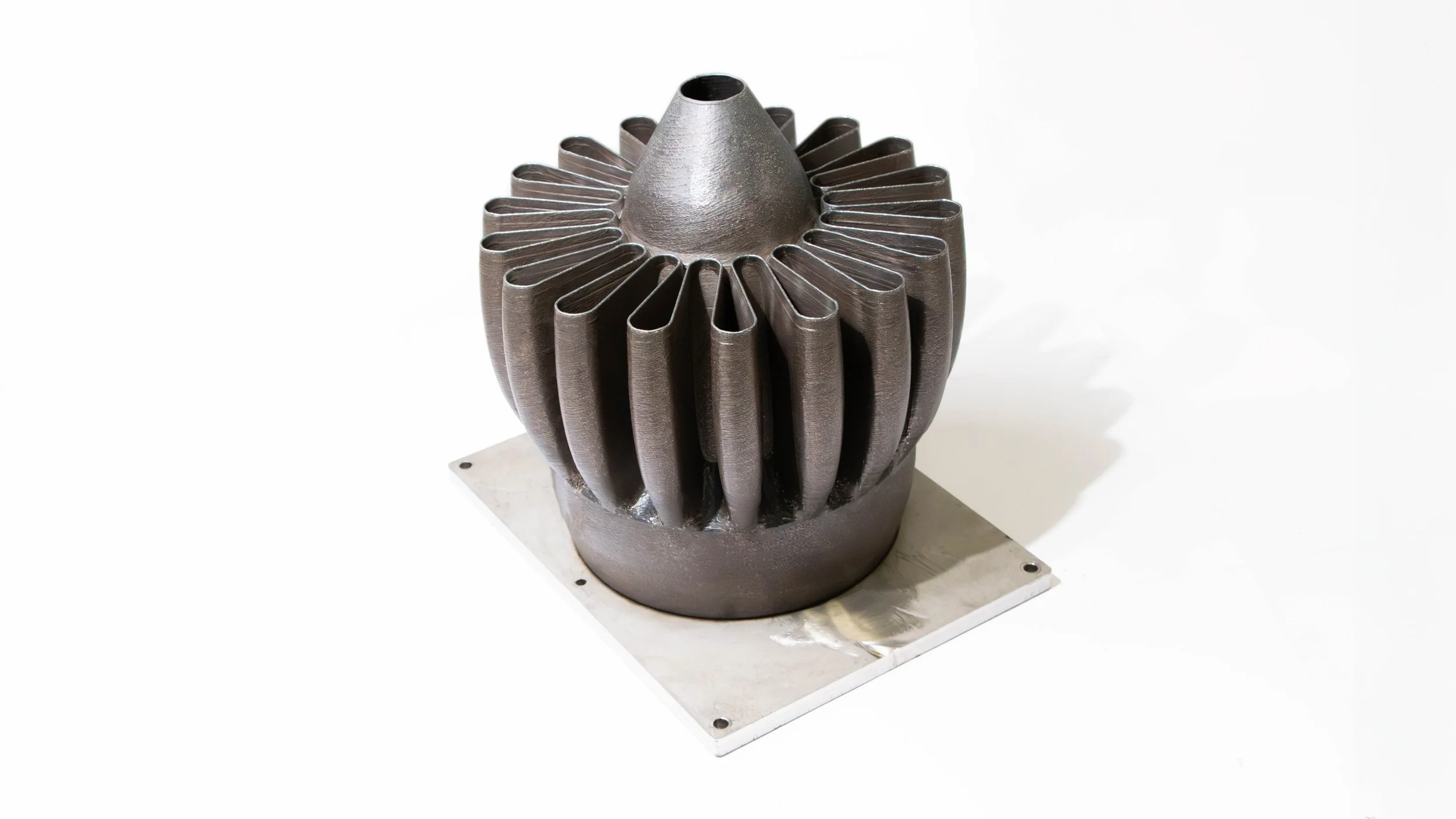
Aerospace, defence & space
Lightweight structures, tooling, repair and development hardware.
Applications
Start with the application, then choose the process.
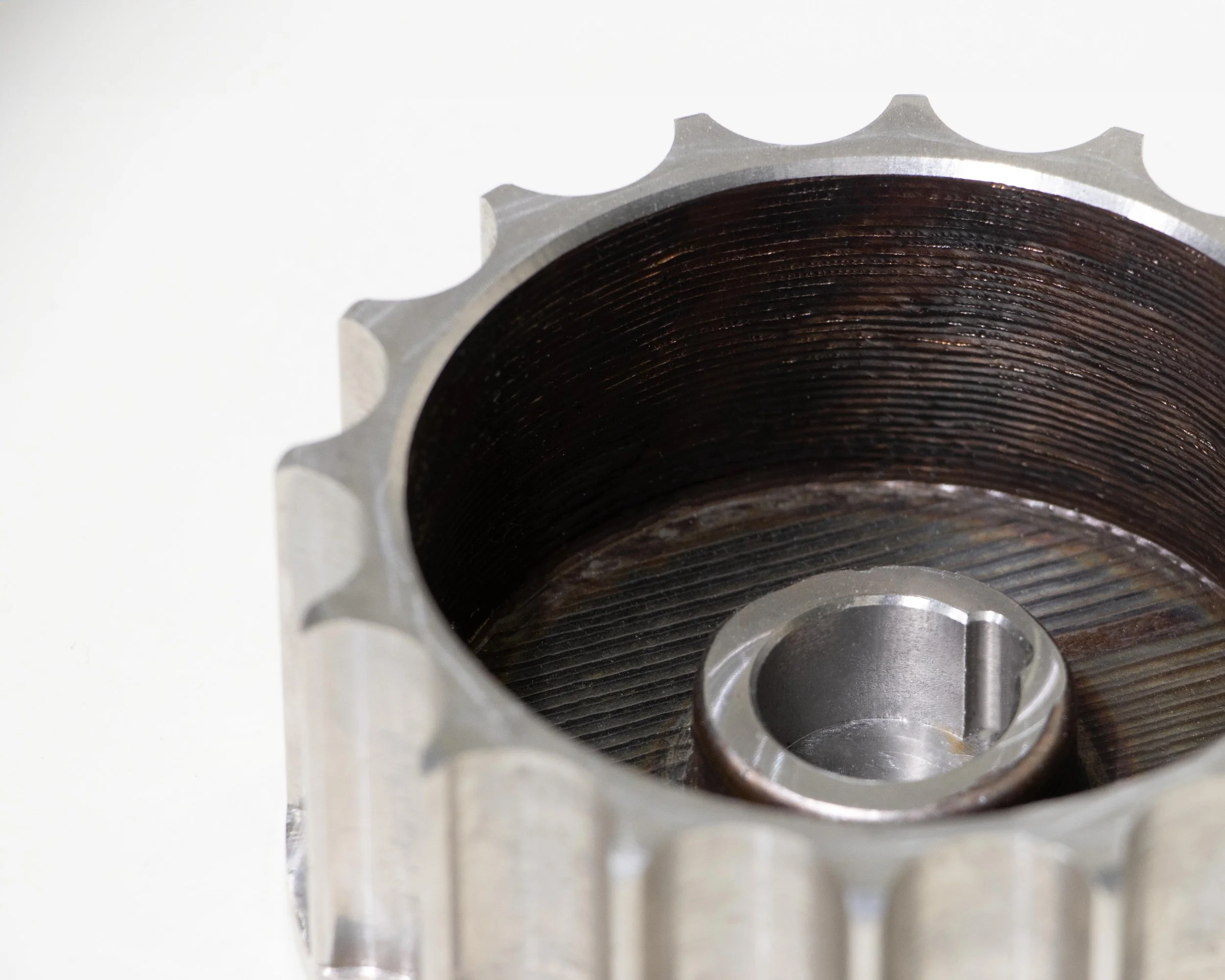
Energy & hydro
Turbine components, cladding and wear-resistant repairs.
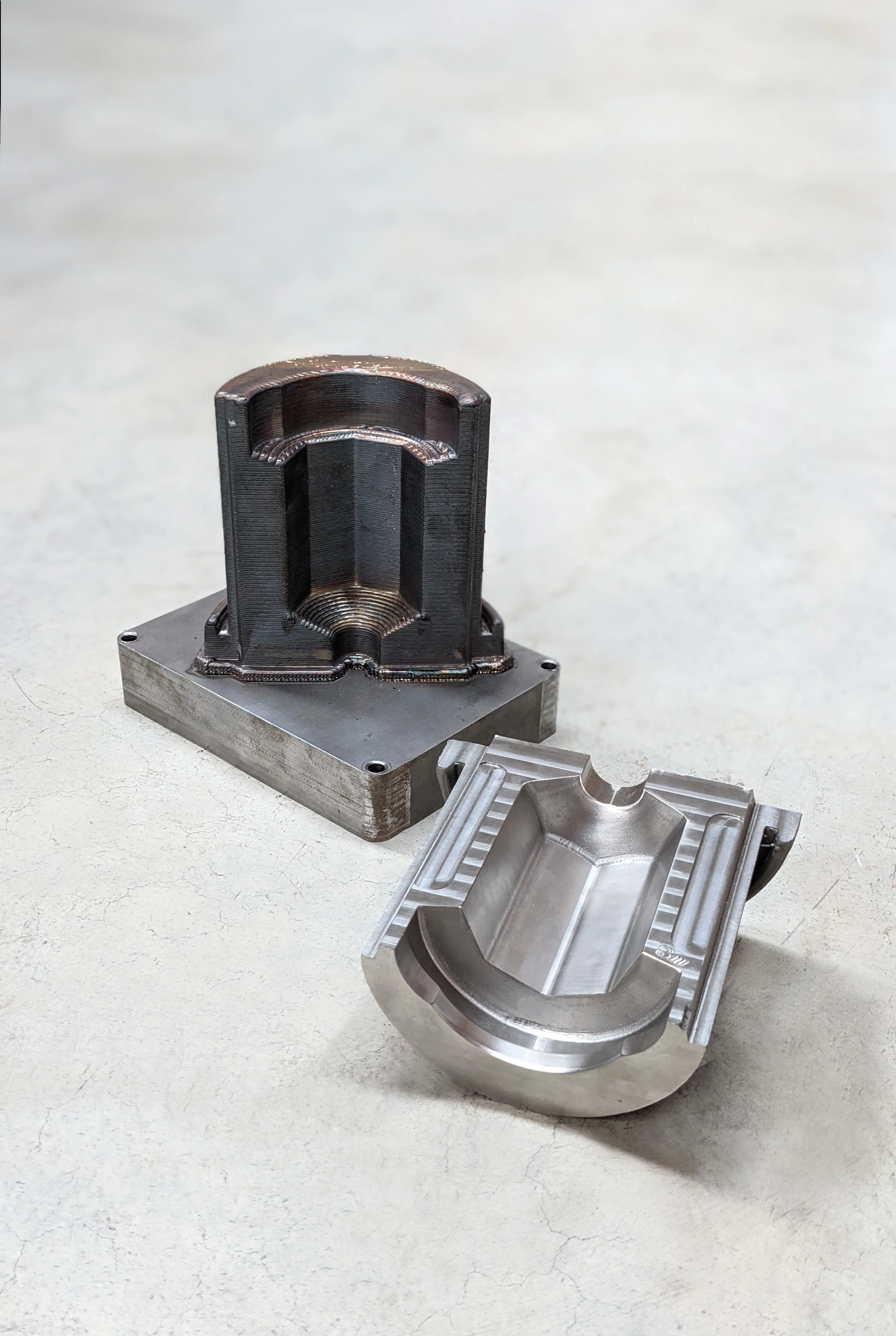
Tooling & moulds
Inserts, conformal cooling and production aids.
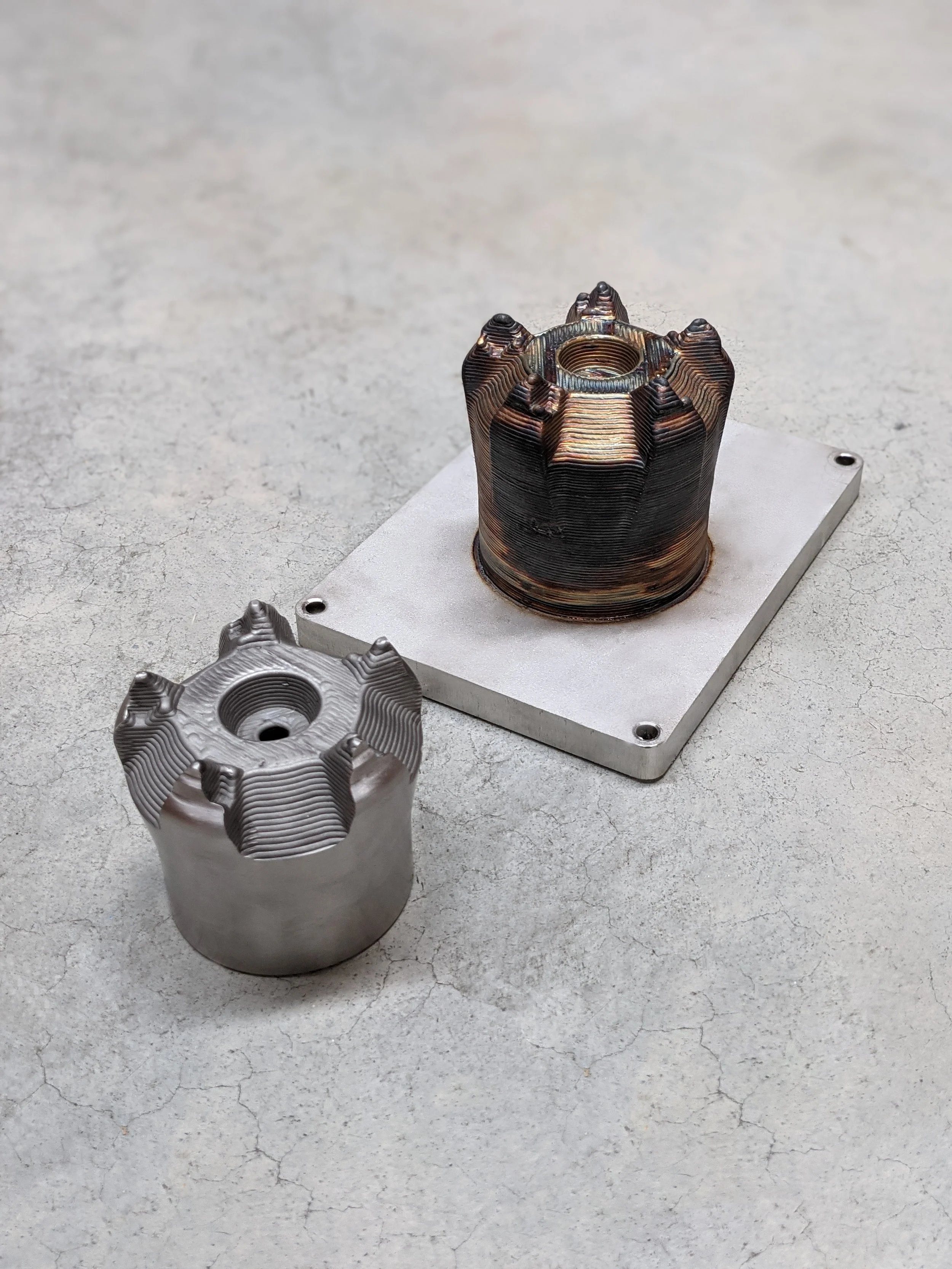
Oil, gas & mining
Durable wear parts and on-demand replacements.
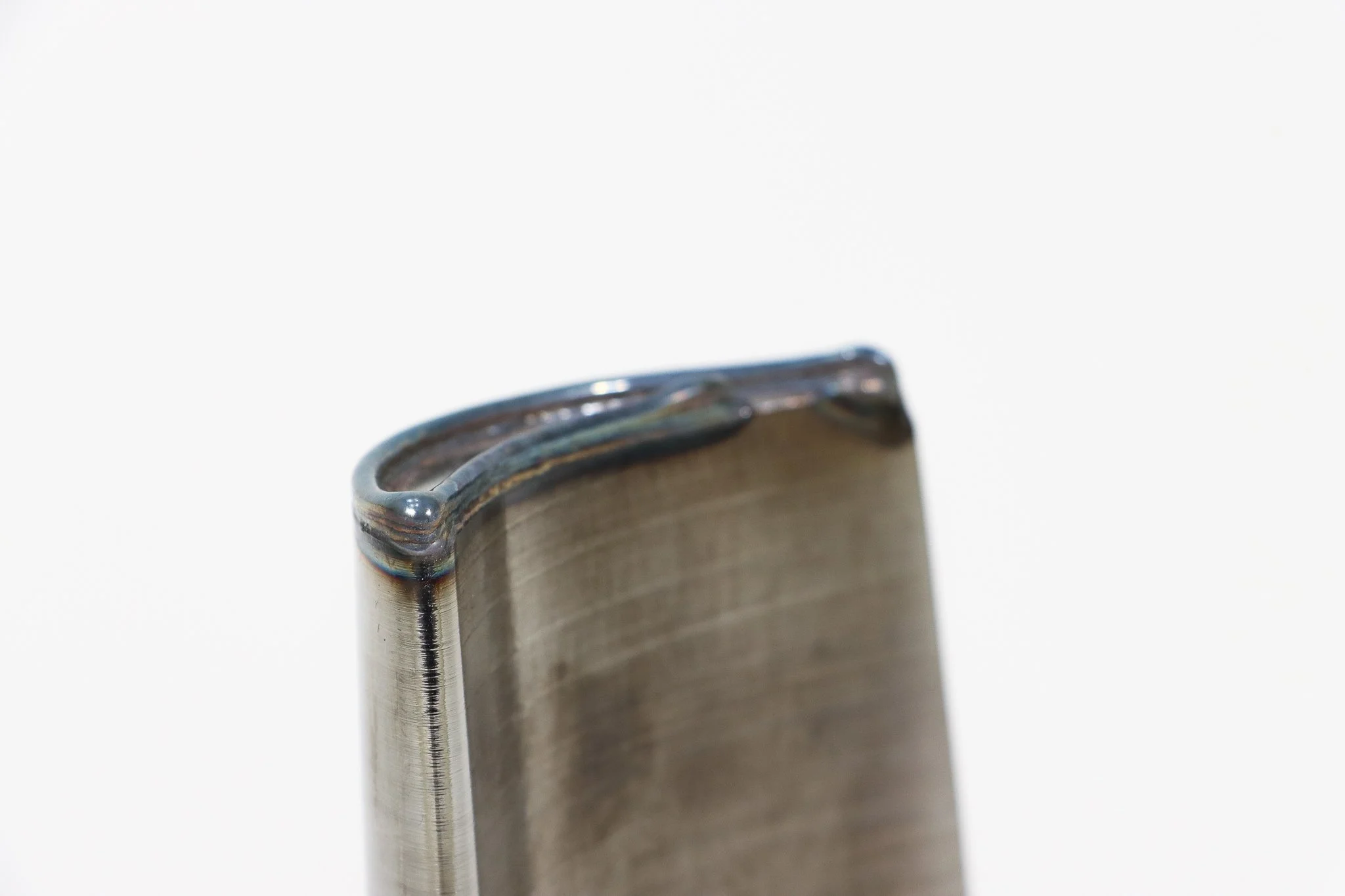
Repair & MRO
Rebuild high-value components instead of scrapping them.
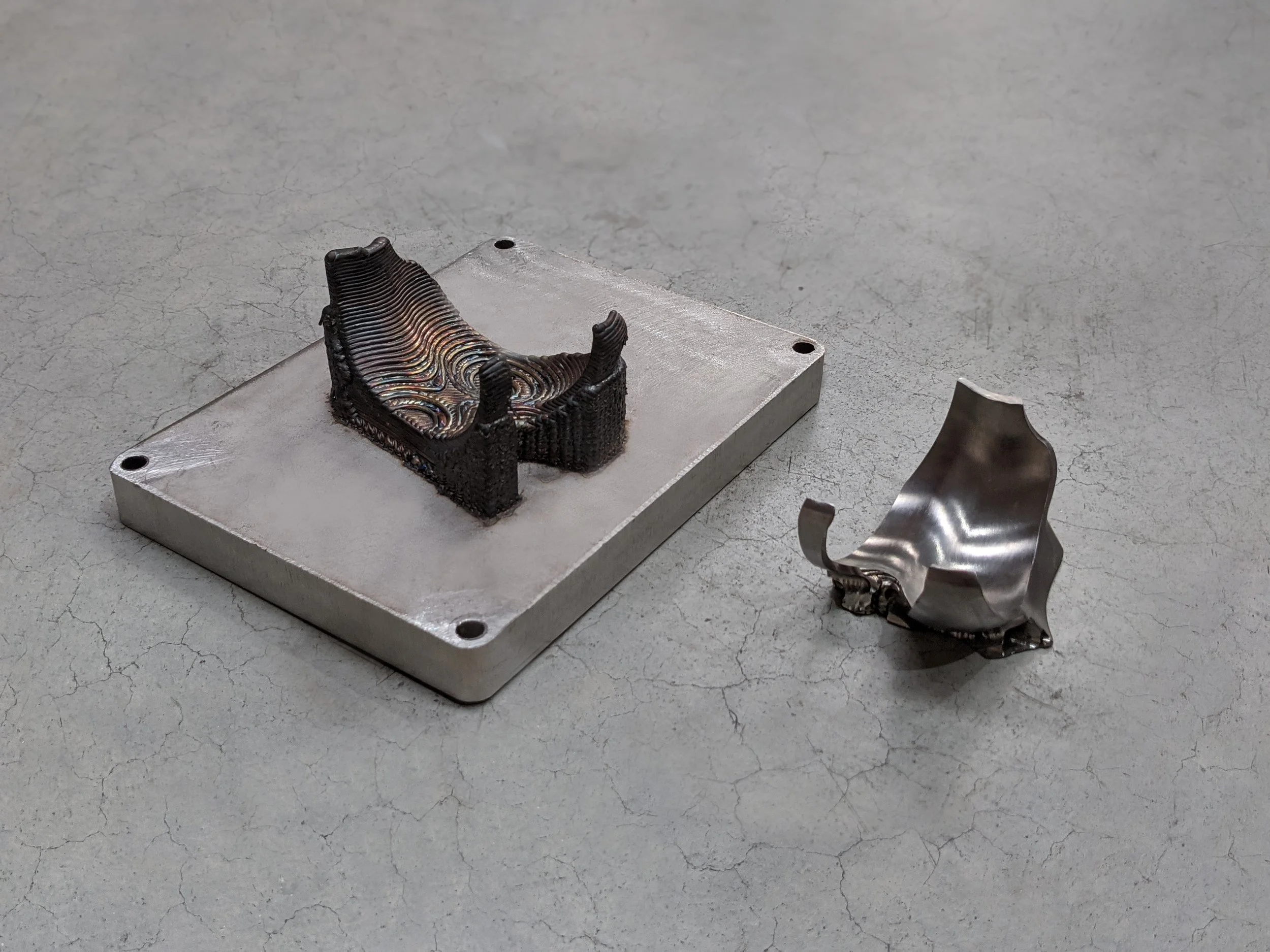
Research & education
Process development on production-grade systems.
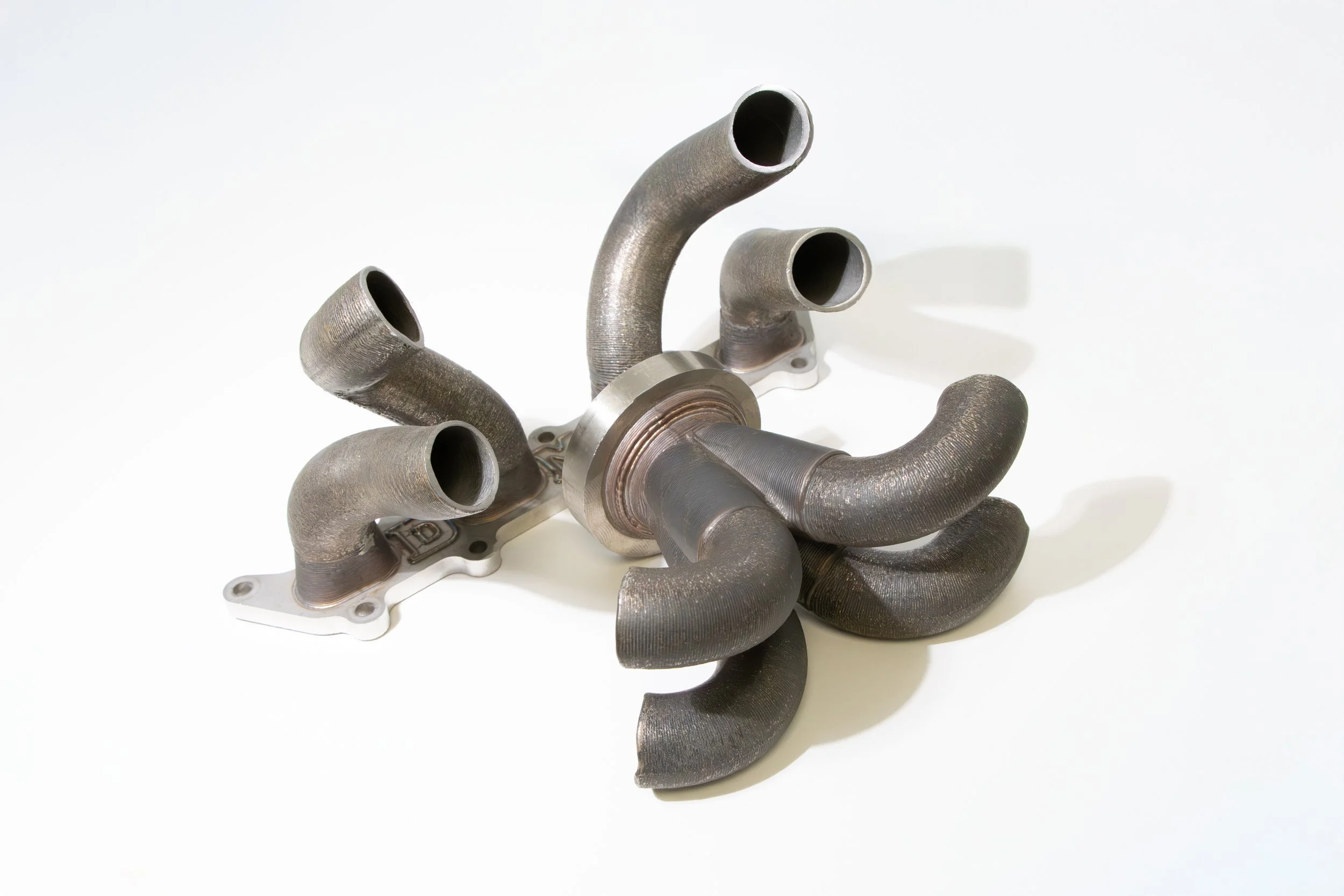
Industrial automation & automotive
Custom tooling, EOAT, fixtures and consolidated parts.
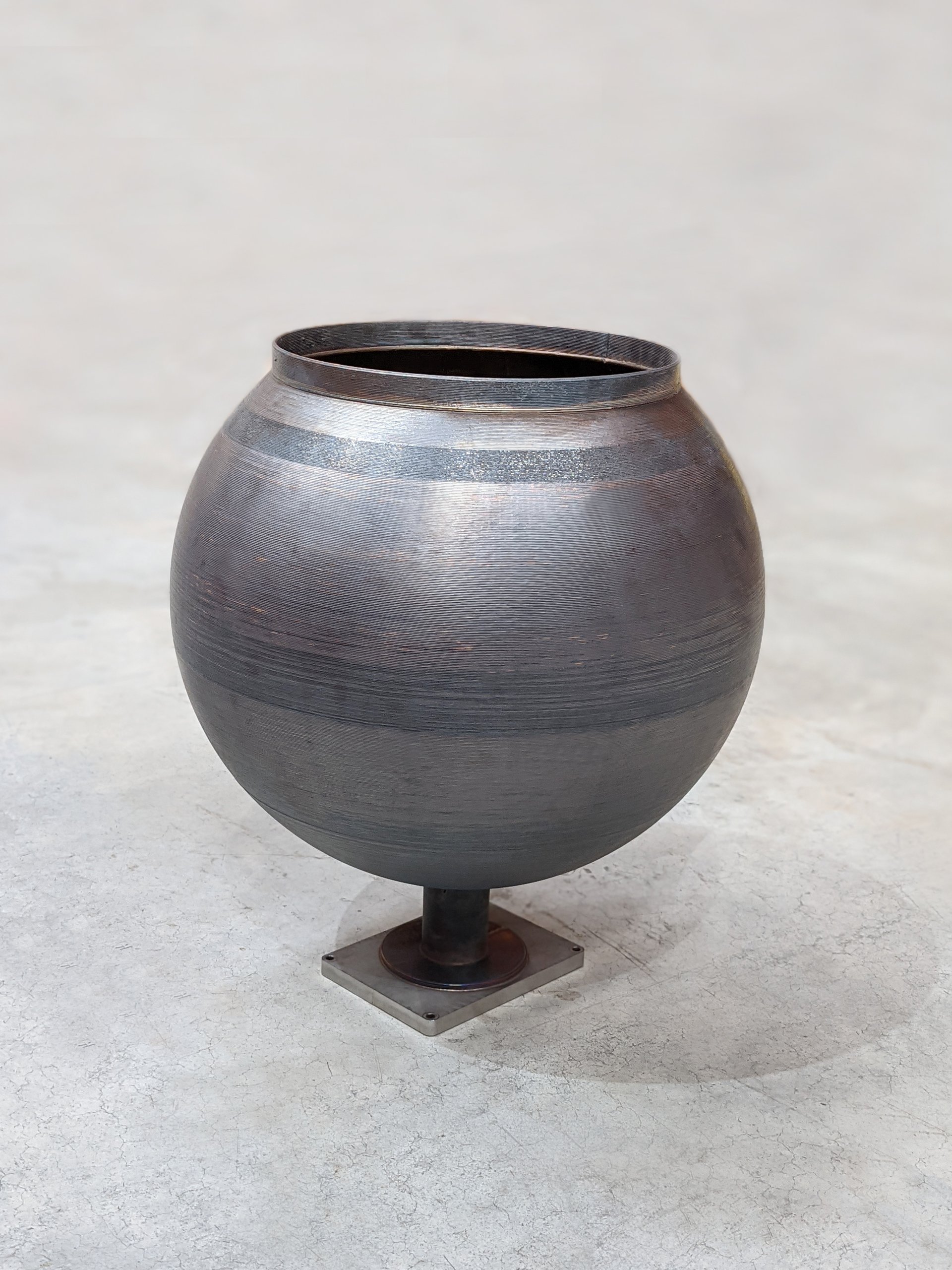
Architecture &
public art
Large-format metal forms and custom structures.
Technologies
WLAM DED delivers wire or powder into a melt pool as energy is applied, building new features or adding material to existing parts. Wire-laser DED is useful for repair, cladding, hybrid manufacturing and medium-to-large near-net shapes.
Process: Wire-laser DED / laser metal deposition
Feedstock: Standard welding wire
Formats: Standalone system, robotic cell or CNC integration
Materials: Stainless steel, tool steel, titanium, nickel alloys and selected copper alloys
Best for: Medium-to-large parts, repair, cladding and low-to-mid-volume production
LMD
LPBF uses lasers to fuse thin layers of metal powder into dense, high-detail parts. It is best for internal channels, lattices, fine features and complex components where precision matters more than deposition rate.
Process: Laser powder bed fusion
Feedstock: Fine metal powder
Equipment path: OEM / partner-channel selection by application
Materials: Titanium, aluminum, stainless steel, tool steel and nickel superalloys
Best for: high-detail production parts, internal channels, lattices and high-value components
LPBF
WAAM uses a welding arc and metal wire to deposit large beads with a robot or gantry. It is fast, economical and suited to large near-net-shape components, with machining or finishing added where precision surfaces matter.
Process: Wire-arc additive manufacturing on a robotic arm or gantry
Feedstock: Standard welding wire
Scale: Large-format / structural metal components
Best for: Large near-net-shape parts, custom steel forms, marine, infrastructure and repair